
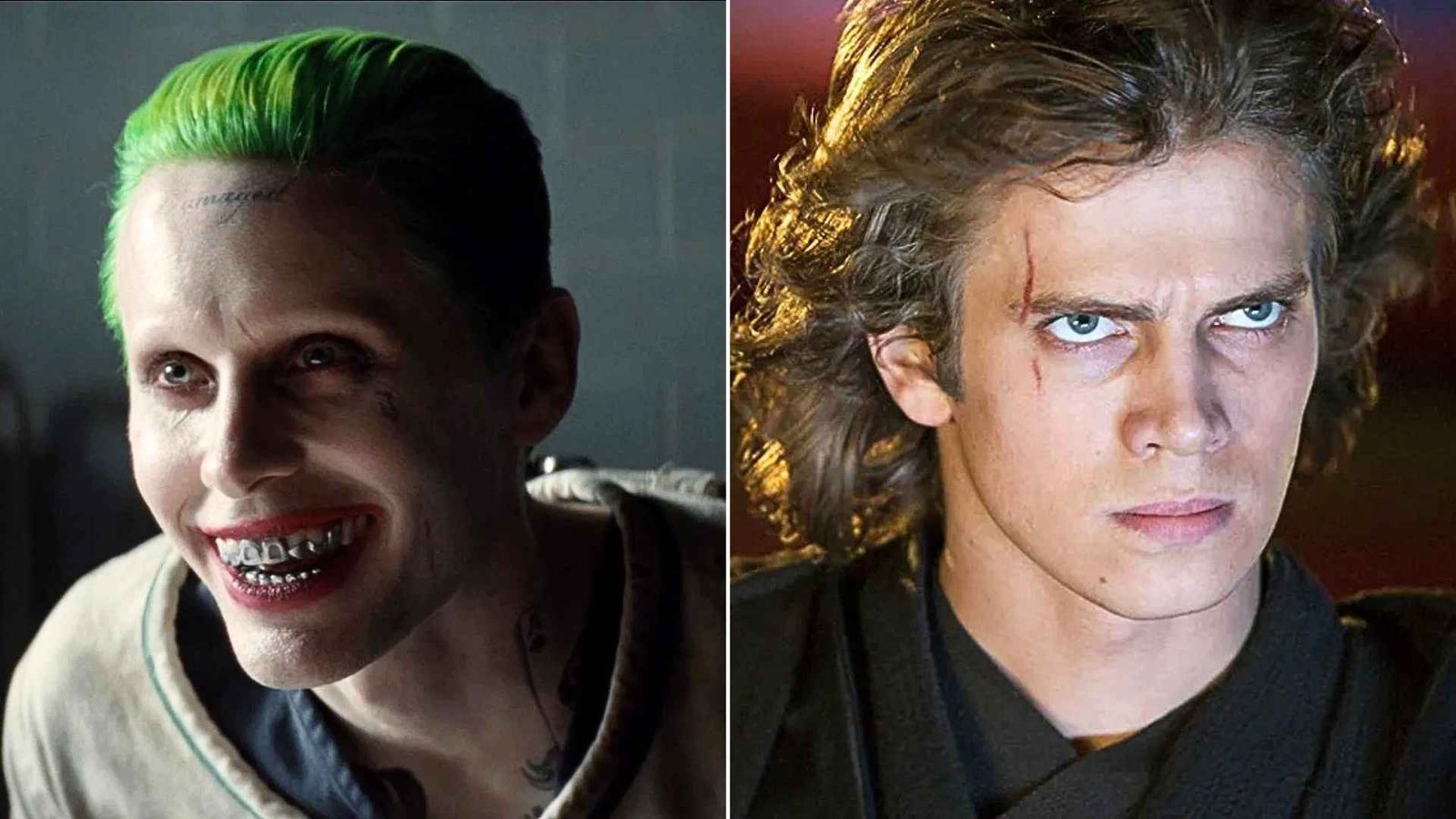
Hollywood has made some baffling calls over the decades — casting choices nobody asked for, budgets that spiralled into the stratosphere, and creative swings that missed by a mile. From the actors behind Hollywood’s most notorious casting flops to the studio executives who greenlit them anyway, we’ve dug through decades of cinema history to rank the 25 worst decisions ever made in movie history. Some ruined careers. Some sank entire studios. All of them are unforgettable for the wrong reasons.
Buckle up — we’re counting down from 25 to the single worst decision in modern movie history, with a bit of context on exactly how each one went so wrong.
Right, let’s get into it.
25. Casting Tom Cruise as Jack Reacher
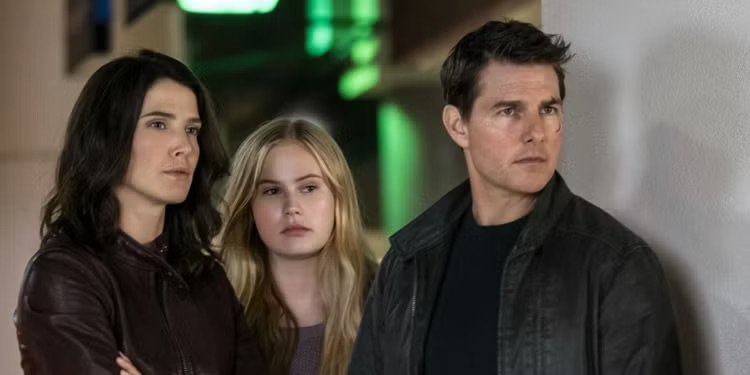
Lee Child’s Jack Reacher is a hulking 6’5″ ex-military drifter who intimidates a room just by standing in it. Tom Cruise, for all his talents, has never been that. Fans of the books spent the entire film distracted by the size mismatch, and no amount of charisma or slick action choreography could paper over the miscasting.
Child himself later admitted the physical disconnect was a genuine issue, and the franchise never quite shook off the criticism despite decent box office numbers.
24. The Star Wars Holiday Special
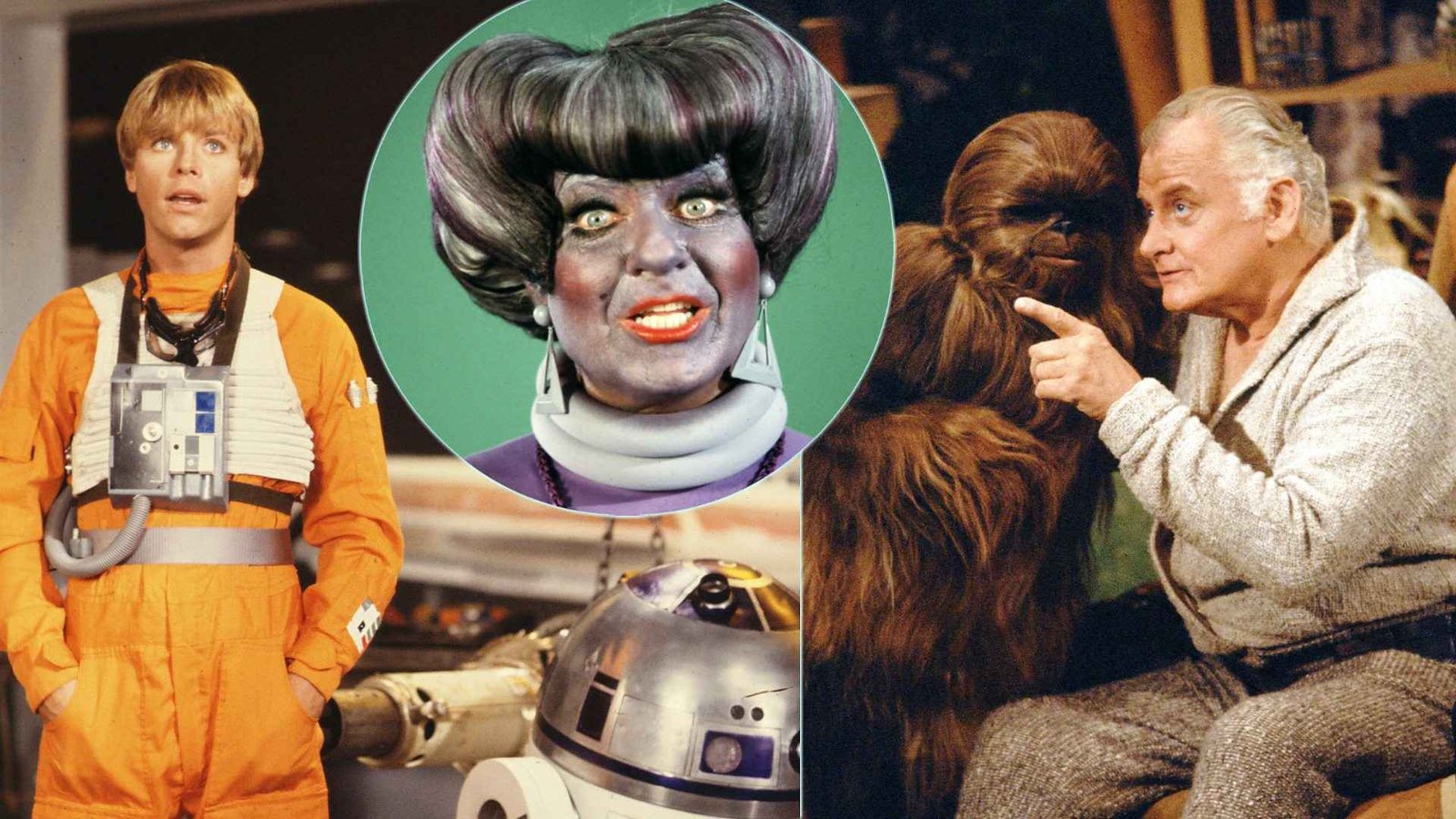
A two-hour fever dream involving Wookiee family life, bizarre variety show cameos, and Bea Arthur running a cantina sing-along.
It aired once on American television in 1978 and was never officially re-released, largely because George Lucas himself reportedly wanted every copy tracked down and destroyed. What survives today exists mostly through bootleg recordings, and it’s widely regarded as one of the strangest pieces of official Star Wars media ever produced.
23. Making Indiana Jones and the Kingdom of the Crystal Skull
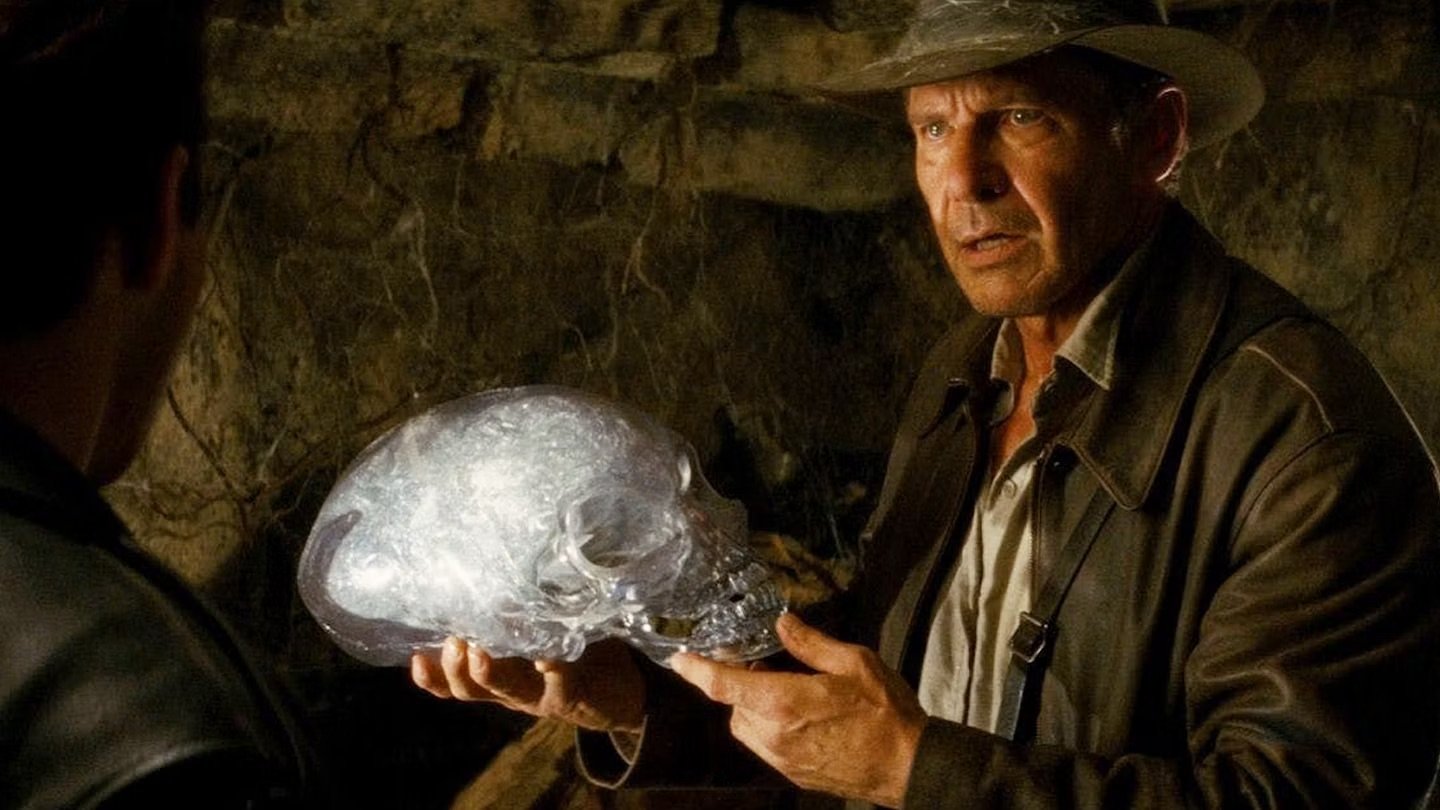
Nuking the fridge was bad enough on its own, but introducing extraterrestrials to a franchise built on Nazi-punching archaeology and ancient curses felt like a fundamental misunderstanding of what made the series work.
The film had all the pieces — Spielberg directing, Ford returning, Lucas producing — yet the finished product left longtime fans cold. It’s remembered today more for its tonal missteps than for any of its genuinely fun adventure sequences.
22. Recasting Edward Norton as Hulk
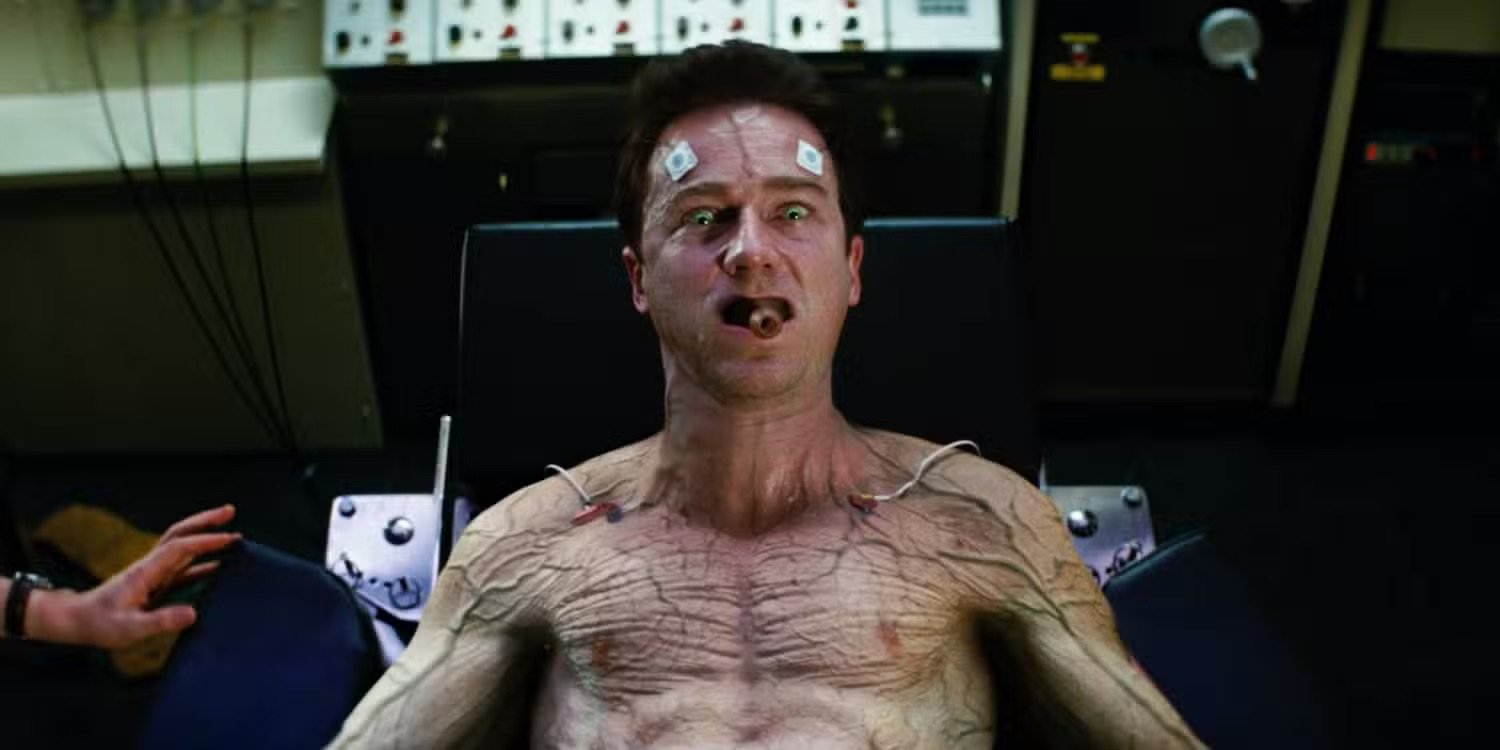
The Hulk’s revolving door of leading men has confused casual viewers for years, but swapping Norton out after just one outing was the moment continuity took a back seat to studio politics.
Reports at the time pointed to creative disagreements between Norton and Marvel over the character’s direction, and rather than resolve them, the studio simply moved on. Mark Ruffalo eventually settled into the role, but the abrupt handover remains a strange footnote in the MCU’s early history.
21. The Fantastic Four reboots
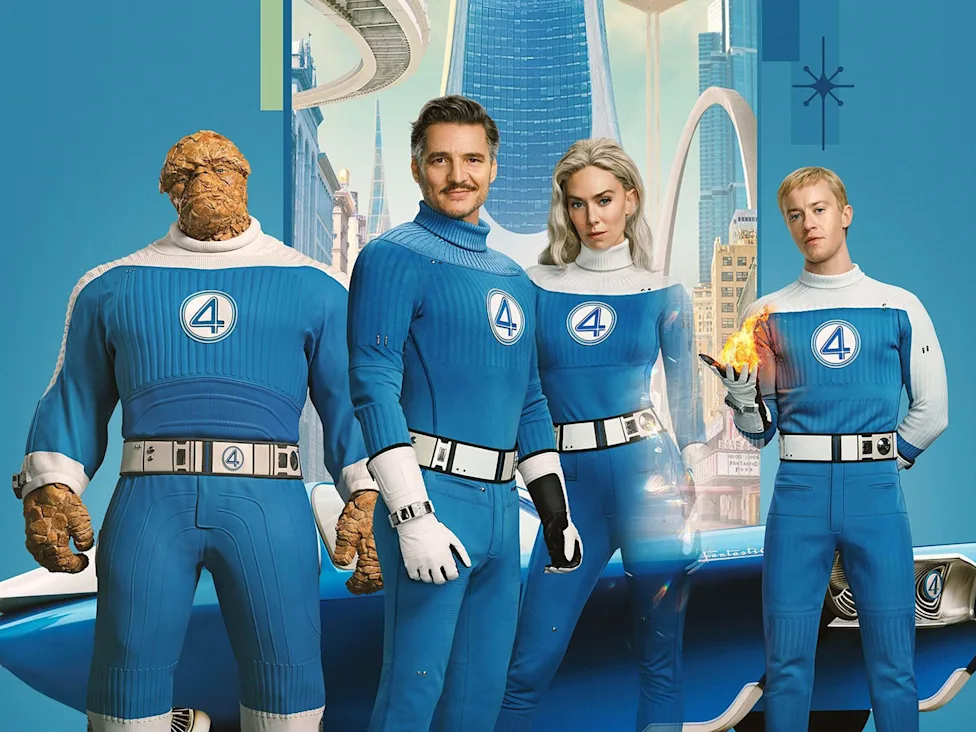
Three separate attempts across two decades, three separate disappointments. Marvel’s first family has never once translated to the big screen the way it does on the page, whether through miscast leads, muddled tone, or studios seemingly more interested in retaining film rights than telling a good story.
Each reboot somehow found new ways to miss the mark, leaving audiences waiting for a take that finally does the source material justice.
20. Killing off Newt and Hicks in Alien 3
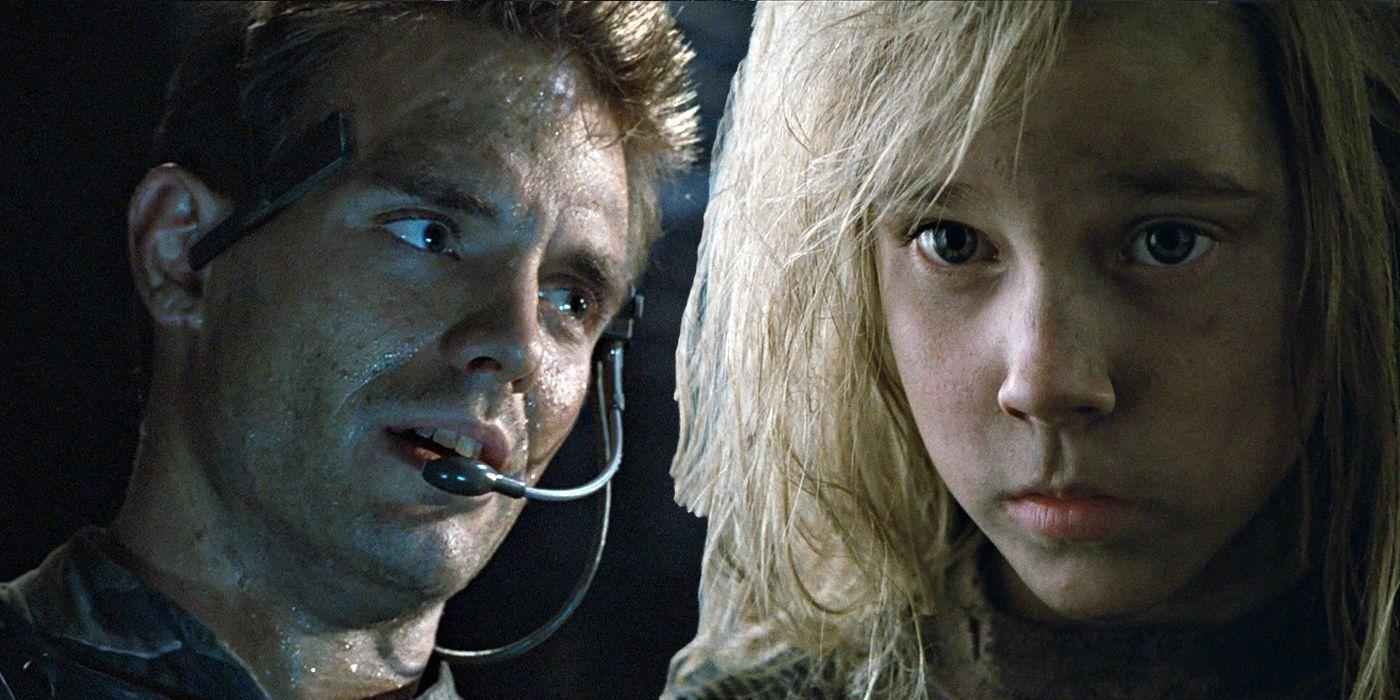
Fans spent years growing attached to the survivors of Aliens, only for the sequel to dispatch both of them within the opening minutes, off-screen, before the story even properly begins. It felt less like a bold storytelling choice and more like a slap in the face to an audience who’d waited seven years for a follow-up.
Director David Fincher has since distanced himself from the theatrical cut, and the decision remains one of the most divisive in the franchise’s history.
Right, moving on to the next batch of baffling calls.
Here’s where things start getting properly messy.
19. Letting Joel Schumacher direct Batman & Robin
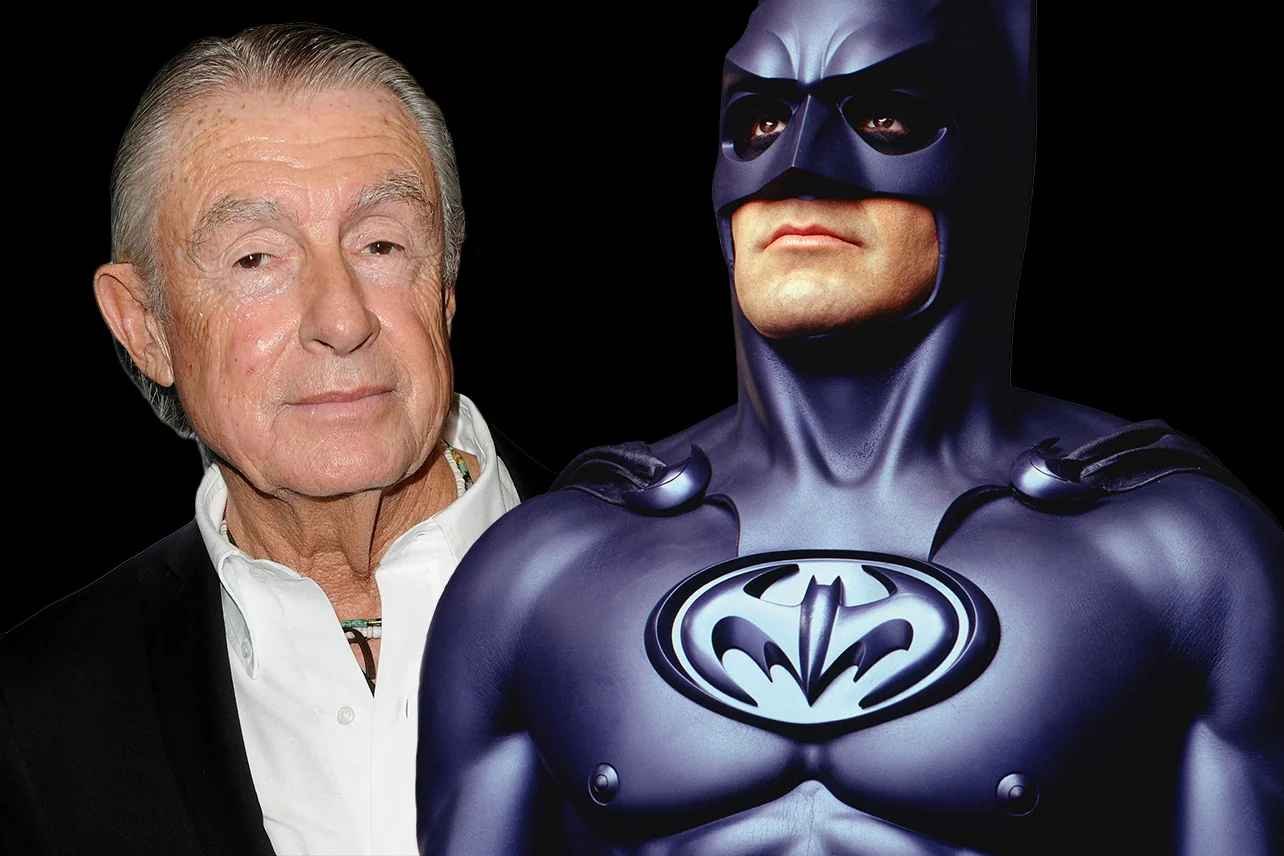 Bat-nipples, ice puns, and a colour palette that belongs on a rave flyer — Schumacher’s take nearly killed the Batman franchise stone dead.
The film leaned so hard into camp that it alienated fans who’d embraced the darker tone of Tim Burton’s earlier entries, and it took over a decade, plus a full Christopher Nolan reboot, to shake off the campy stink of it. Even Schumacher later publicly apologised to fans for how the film turned out.
18. The Psycho shot-for-shot remake
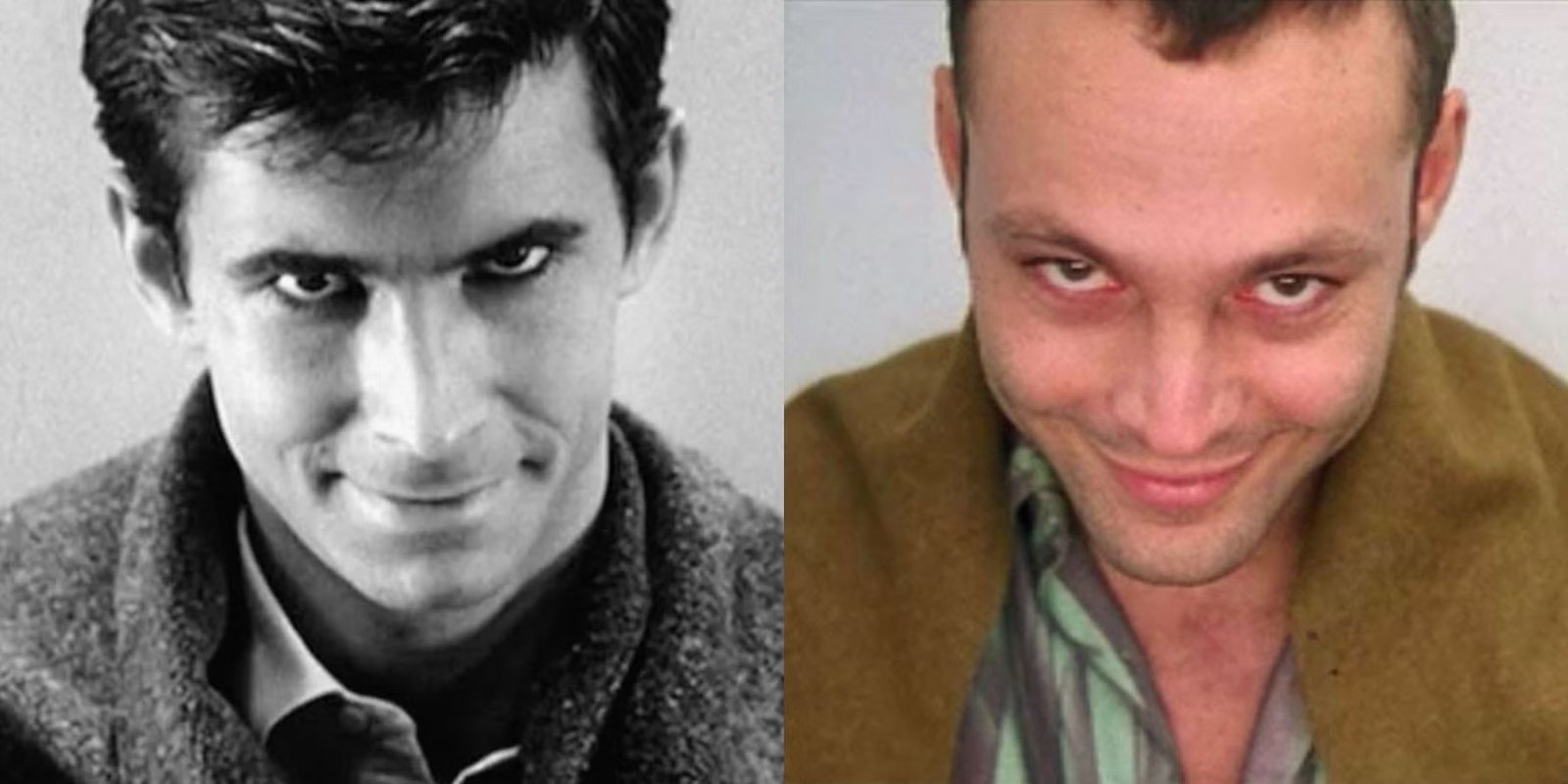 Gus Van Sant’s 1998 remake copied Hitchcock’s original almost frame for frame, shot for shot, right down to the camera angles, adding little beyond colour and a modern cast. Critics and audiences alike questioned the point of the exercise, and it grossed a fraction of what the studio hoped for.
It’s since become a textbook example of why some classics simply shouldn’t be touched, no matter how technically faithful the copy.
17. Turning down Pulp Fiction
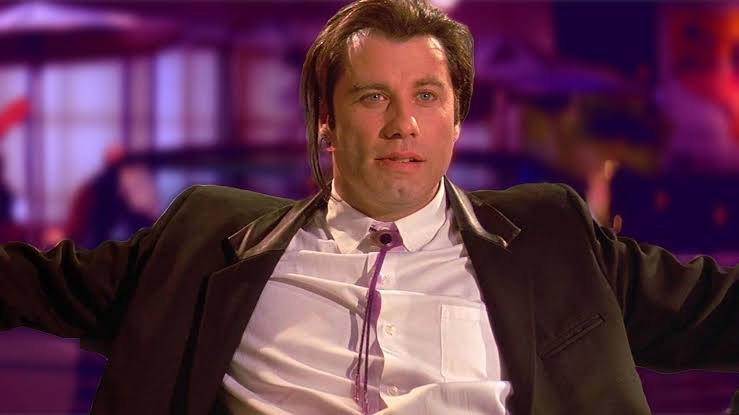
Several major studios (including TriStar Pictures) passed on Tarantino’s script before the independent Miramax finally took the gamble on it.
The nonlinear structure and unconventional dialogue reportedly spooked executives who couldn’t see how it would play with mainstream audiences. It went on to win the Palme d’Or, gross over $200 million worldwide, and reshape independent cinema for a generation — a masterclass in Hollywood misjudging exactly what audiences actually wanted.
16. The Wild Wild West giant spider obsession
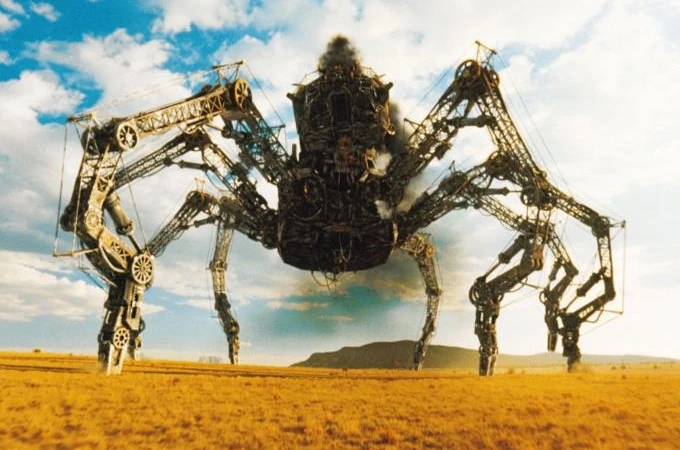
A producer’s fixation on featuring a giant mechanical spider derailed multiple drafts of the script before the film ever went into production, reportedly eating up a huge chunk of the effects budget along the way. The finished product still couldn’t justify the obsession, and the film became one of the era’s most expensive box office bombs.
It’s frequently cited as a case study in creative decisions driven by spectacle rather than story.
15. The Super Mario Bros. Movie (1993)
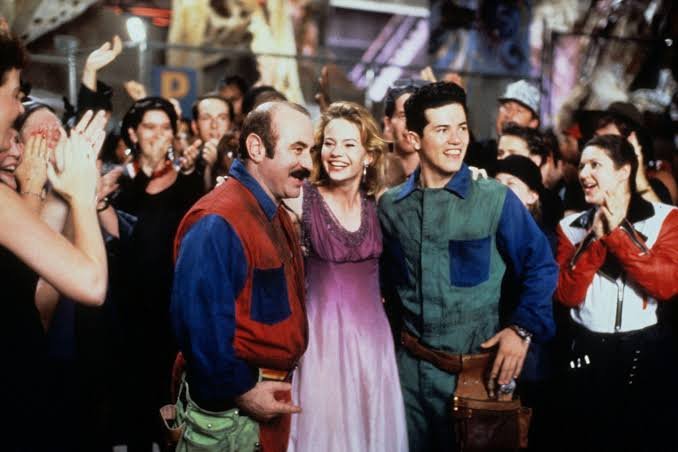
A dystopian fungal wasteland loosely inspired by a platformer about jumping on turtles and collecting coins.
The tonal gap between the cheerful source material and the grim, industrial world on screen pleased absolutely nobody at the time, gamers and non-gamers alike. It remains a byword for adaptation gone wrong, though it’s since developed something of a cult following among viewers who appreciate just how strange the whole thing is.
Right, we’re at the halfway point — a quick breather before we get into the truly infamous ones.
Onwards — the decisions get uglier from here.
14. Letting Michael Bay direct Transformers
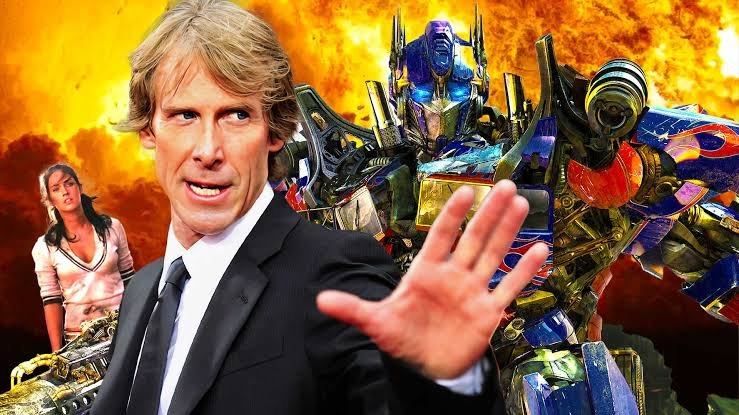
Explosions over plot, every single time. What could’ve been a smart sci-fi franchise exploring themes of identity and war became a byword for style-over-substance blockbusters, chasing spectacle at the expense of anything resembling character work or coherent plotting. The films made billions at the box office, proving the approach was commercially sound, but critics and longtime fans of the original cartoon have never fully come around.
13. The X-Men: Dark Phoenix reshoots
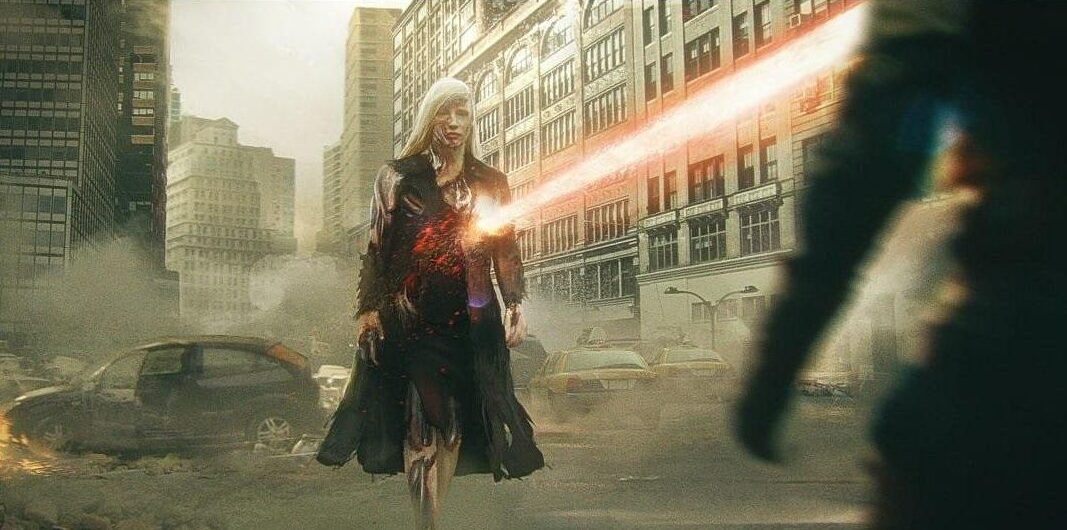
A troubled production plagued by extensive reshoots, a mid-filming script overhaul, and a release date pushed back multiple times as the studio scrambled to fix a story that reportedly wasn’t working. It closed out the original X-Men franchise not with a bang, but a confused whimper, grossing well below expectations. The character of Jean Grey, one of the most beloved in the comics, deserved a far stronger send-off than she ultimately got.
12. Ignoring source material in Eragon
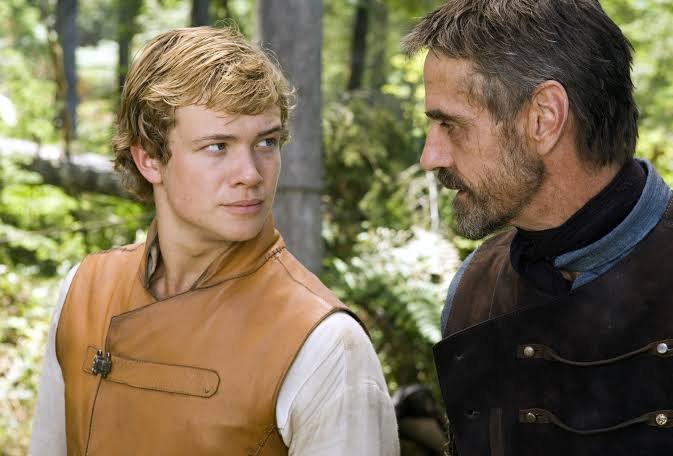
Christopher Paolini’s beloved fantasy series deserved better than a rushed adaptation that stripped out the lore, world-building, and character depth fans actually cared about. The film compressed hundreds of pages into under two hours, leaving barely any room for the story to breathe.
It’s remembered as one of the decade’s most lacklustre book-to-film jobs, and no sequel ever followed.
11. The Godzilla (1998) redesign
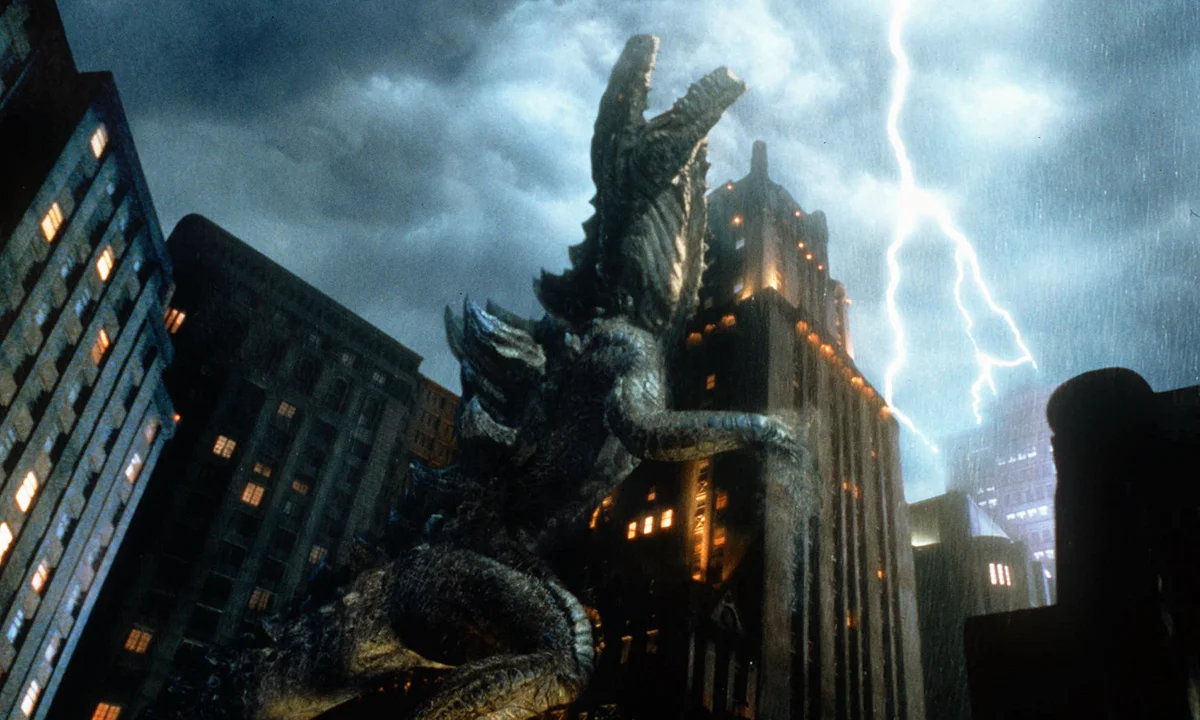
A monster movie with, somehow, the wrong monster. The redesign ditched everything recognisable about Godzilla’s iconic silhouette in favour of something closer to an oversized iguana that ran on all fours and hid from danger rather than embracing it.
Both critics and longtime fans were unimpressed, and the backlash was so severe that the character was rebranded internally as “Zilla” in later appearances to distance it from the original.
There is an interesting article arguing this film is actually better than most people care to admit; you can read it here: Hear me out: why 1998’s Godzilla isn’t a bad movie.
10. Casting Hayden Christensen in Star Wars prequels
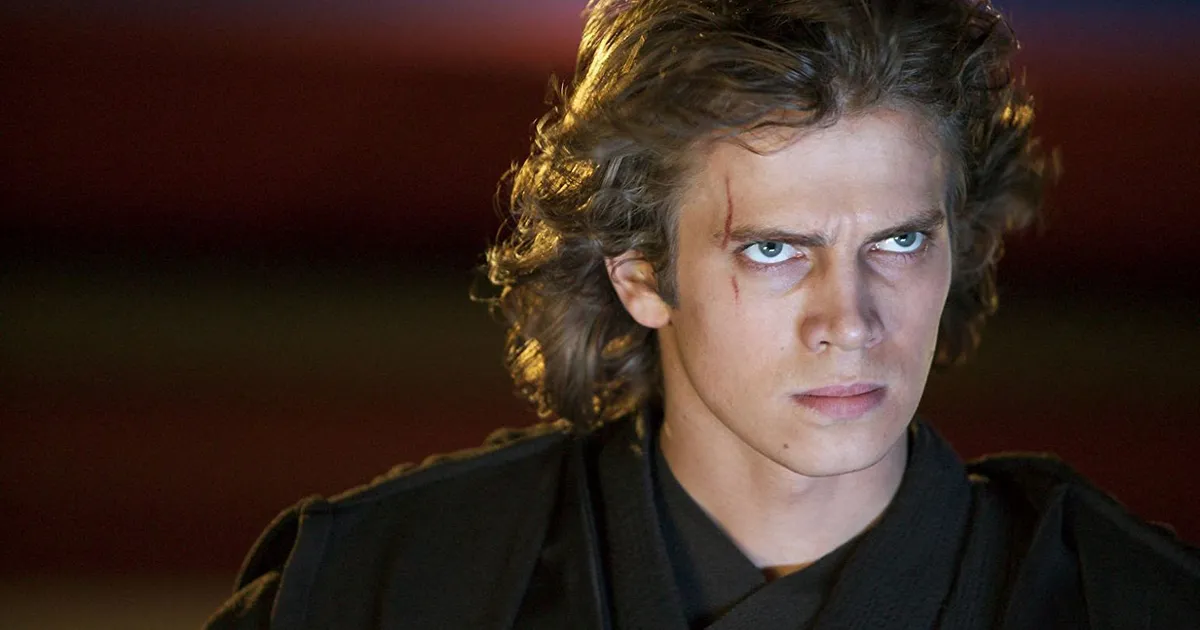
A divisive, wooden performance that became a lightning rod for criticism and overshadowed the prequels for years afterwards.
The character of Anakin Skywalker required an actor capable of selling a slow descent into darkness, and much of the audience simply didn’t buy the delivery, particularly in the romance scenes. Fairly or not, Christensen’s Anakin became shorthand for everything fans felt went wrong with the prequel trilogy, even as his standing has softened somewhat in recent years.
A quick pause before we get to the top five.
Right, back to it.
9. Letting George Lucas write the Star Wars prequels alone
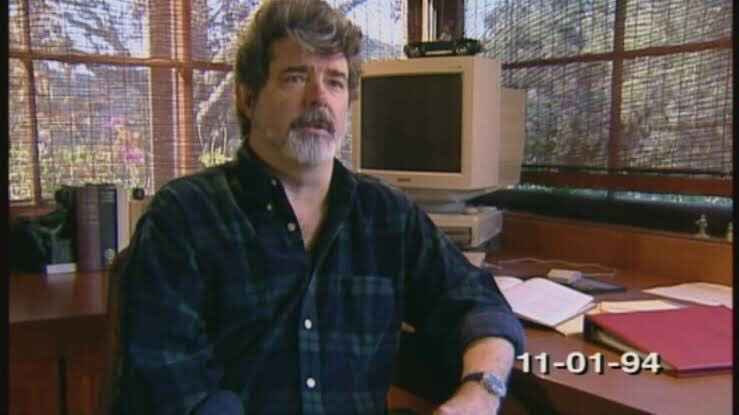
Clunky dialogue and stilted delivery became meme fodder for decades, from “I don’t like sand” to “It’s over, Anakin, I have the high ground.”
Lucas’s world-building instincts remained as sharp as ever, but with nobody left in the room to challenge or refine the scripts before cameras rolled, some genuinely great ideas got buried under awkward exposition. Many involved in the productions have since said a stronger co-writer might have solved the problem entirely.
8. Killing off John Connor in Terminator: Dark Fate
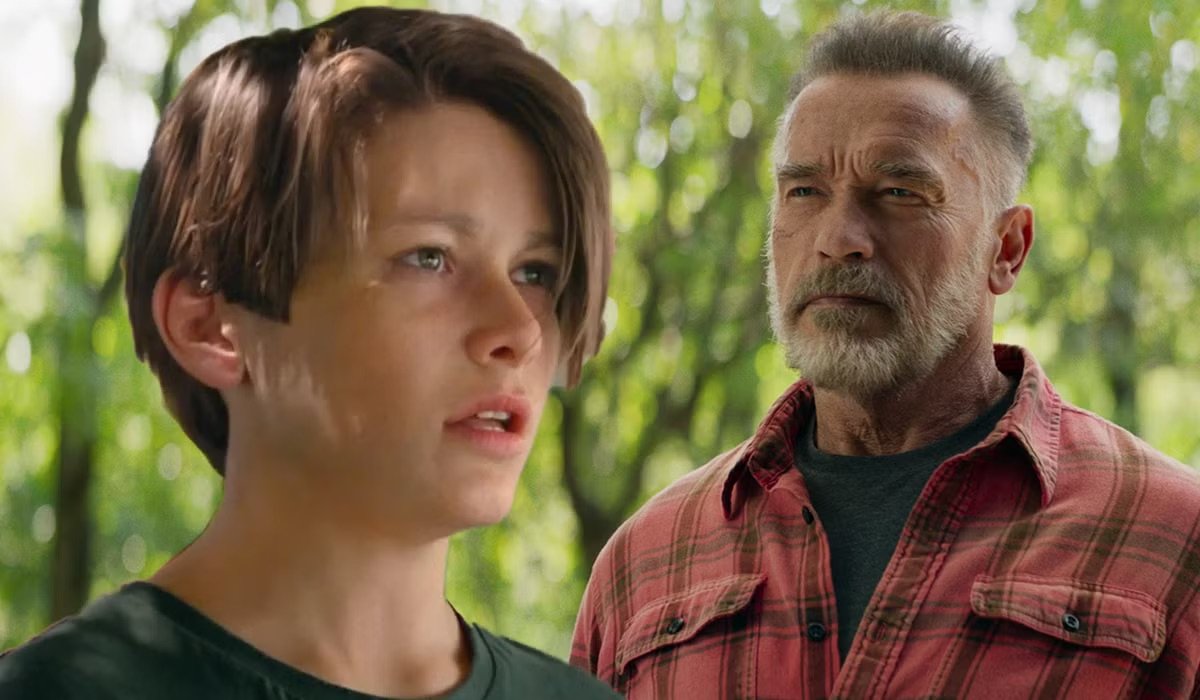
Dispatching the franchise’s central figure within the opening minutes, in a twist revealed before the film even released, alienated the core fanbase instantly.
John Connor had been the entire point of the series since the original 1984 film — the resistance leader every Terminator was sent back in time to stop. Undercutting two decades of storytelling in one swing left audiences questioning what the franchise even stood for anymore, and the film underperformed badly at the box office.
7. Studio interference in Fantastic Four (2015)
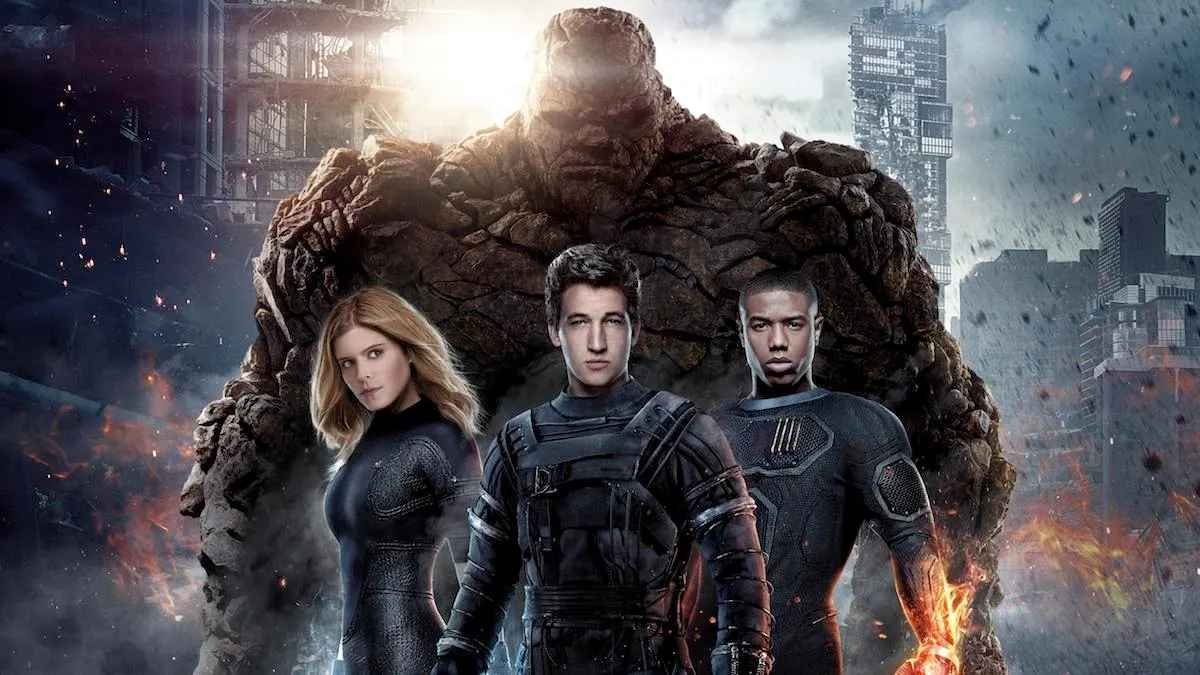
Director Josh Trank’s original vision was reportedly gutted in the edit after tensions between him and the studio boiled over during production. Reshoots, a rewritten third act, and conflicting creative visions left behind a disjointed film that satisfied nobody — not the studio, not critics, and certainly not fans of the comics.
Trank himself publicly disowned the theatrical cut on social media before it even hit cinemas, an almost unheard-of move for a director.
6. Twilight’s sparkly vampires
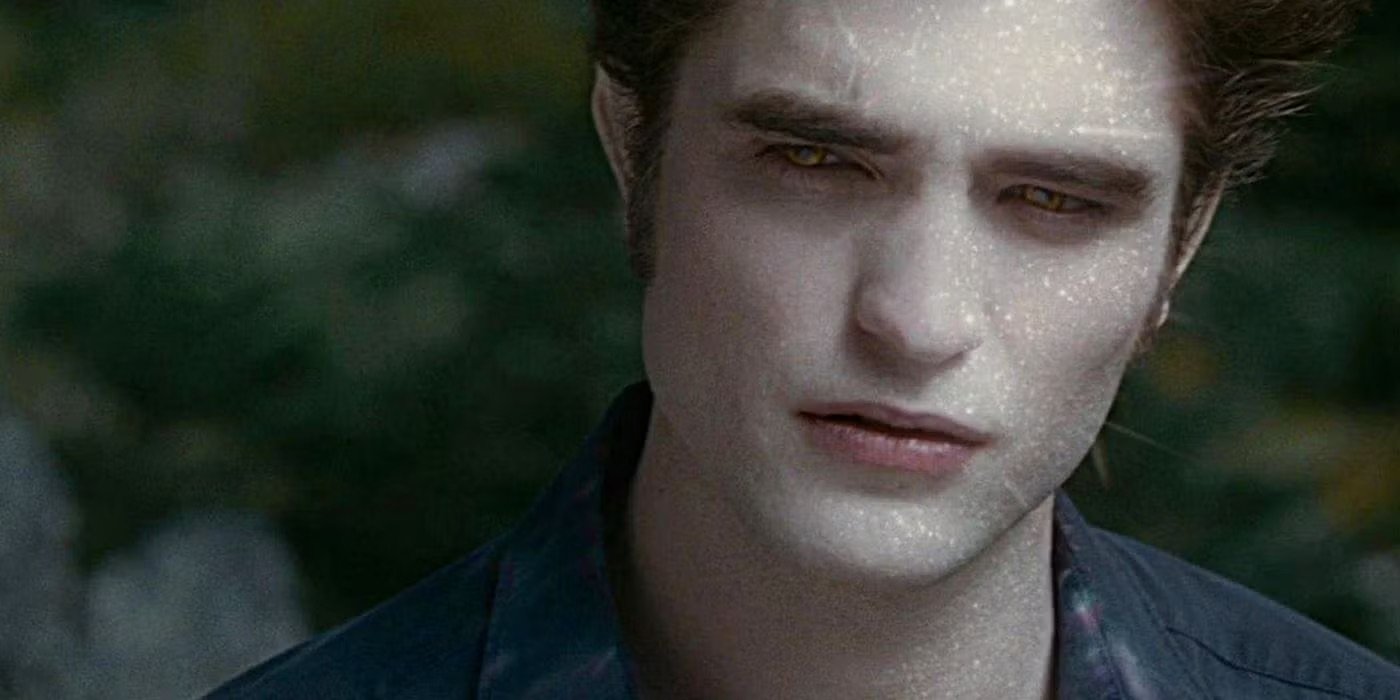
A creative choice that divided audiences instantly and became a running joke for over a decade. Rather than burning up in sunlight like traditional vampire lore, Twilight’s vampires simply sparkle, a change that critics and even some fans felt undercut the danger and mystique the franchise was going for.
Whether you love or hate the choice, it’s arguably the single most parodied element of the entire saga.
5. Will Smith turns down The Matrix
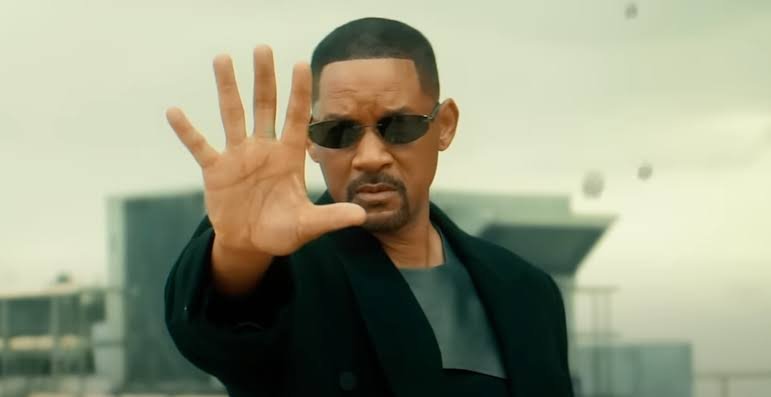
Smith chose Wild Wild West over the lead role of Neo in The Matrix, a decision he’s since called one of the biggest regrets of his career.
The Wachowskis’ film went on to become one of the most influential sci-fi movies ever made, redefining action cinema and earning hundreds of millions at the box office. Smith has spoken candidly in interviews about how difficult the concept was to grasp on the page, and how differently things might have gone had he said yes.
Nearly there — just the top four left, and they’re the worst of the worst.
Let’s crack on.
4. The Cats movie CGI
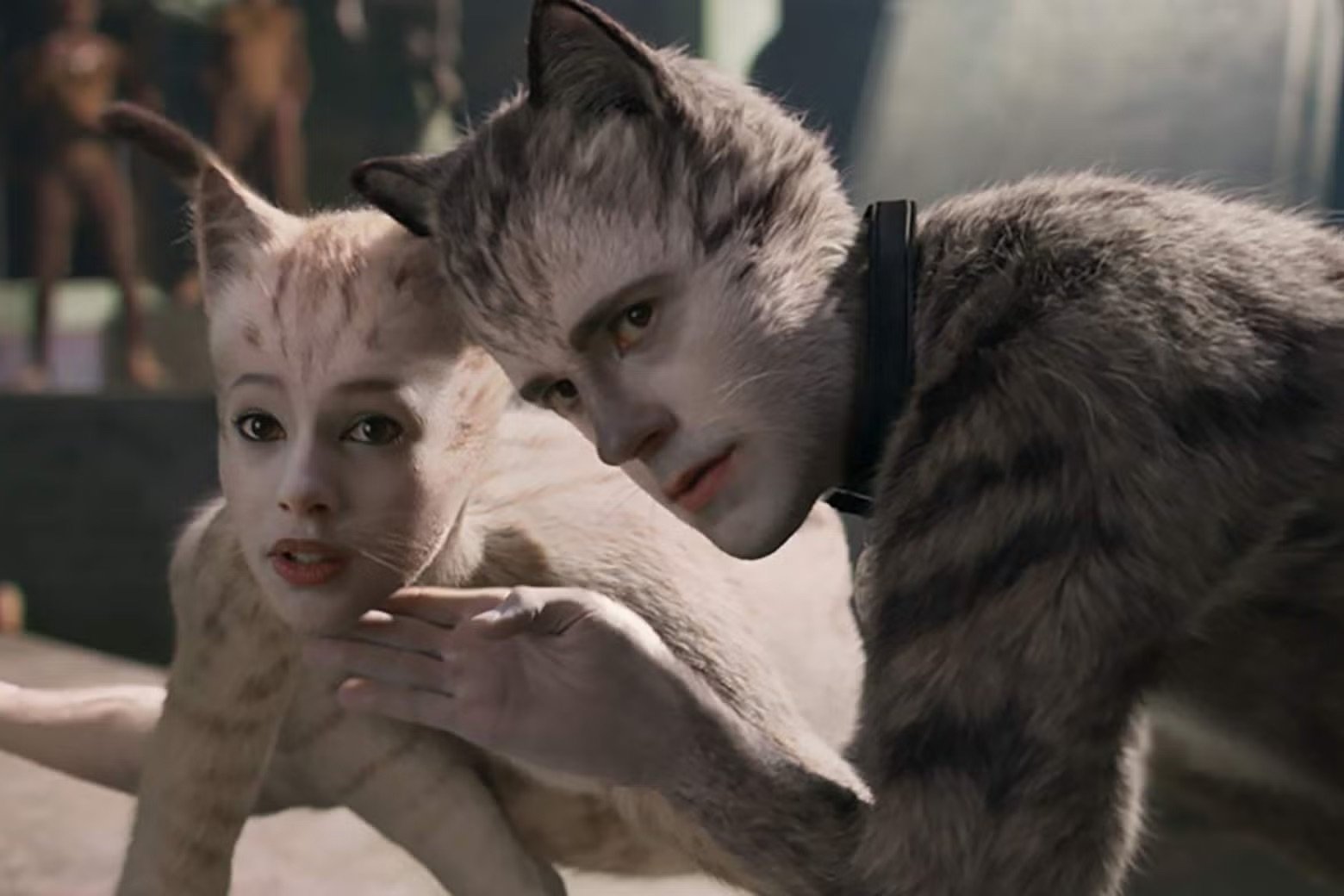
Uncanny valley visuals, rushed digital fur effects, and a release date that couldn’t be pushed back turned a beloved stage musical into one of the most memed cinematic disasters in recent memory.
Universal reportedly sent out a revised print with updated visual effects to cinemas days after release, a highly unusual move that only drew more attention to how unfinished the effects looked.
It became an instant punchline online, spawning countless memes long after most people had actually seen it.
3. Hiring Tommy Wiseau for The Room
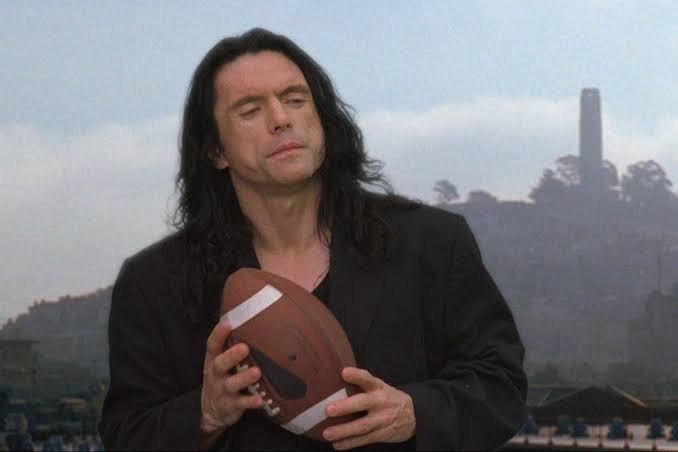
A vanity project so bizarre, so poorly executed, and so earnestly sincere that it looped all the way back around into a beloved cult classic — just not for any of the reasons Wiseau intended.
Wiseau reportedly self-financed the entire production, insisted on shooting with both film and digital cameras simultaneously for reasons nobody fully understood, and delivered a performance so strange it’s still studied by fans today. Midnight screenings continue to sell out worldwide, decades after its release.
2. The Heaven’s Gate budget blowout
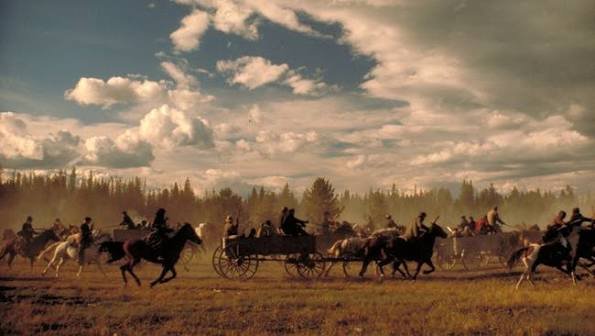
Michael Cimino’s unchecked spending on his 1980 western ballooned the budget to roughly four times its original approval, with production reportedly plagued by excessive retakes and an uncompromising directorial style.
The film’s catastrophic box office collapse and United Artists’ subsequent near-bankruptcy reshaped how Hollywood managed director-driven productions for a generation, effectively ending an era where young auteurs were handed near-total creative control. Few single decisions have had as lasting an impact on how studios operate.
1. Jared Leto as The Joker in Suicide Squad
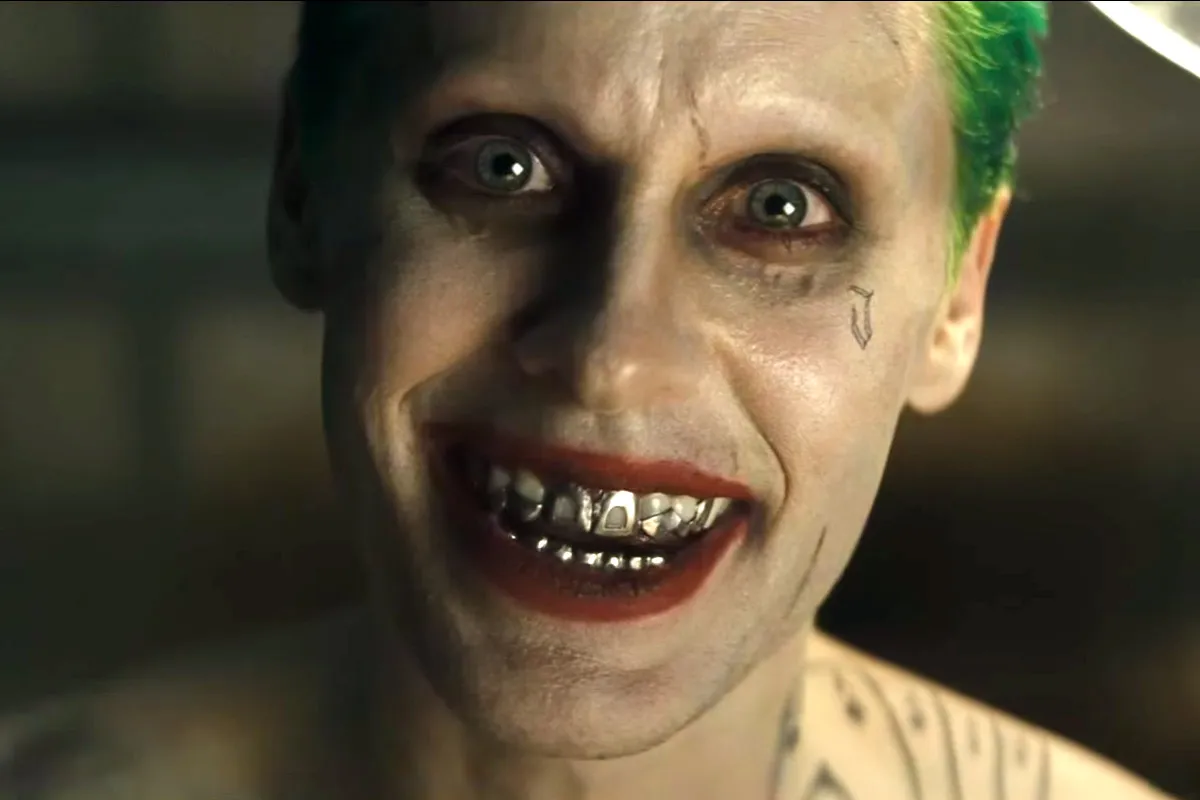
The most hyped casting of the decade ended in disappointment. A baffling creative direction, a performance that missed the mark entirely, and off-set antics — including reportedly sending castmates unsettling gifts in character — overshadowed the character before the film even released.
The finished cut trimmed much of Leto’s screen time after test screenings reportedly struggled with the tone, leaving a performance that felt both overhyped and underused. It all added up to the single worst decision in modern movie history.
Final thoughts
From #25 to #1, these are the decisions that changed the course of film history — for better or, far more often, for worse. Did we miss one of your picks for the worst decision in movie history? Let us know in the comments!
For more film countdowns, reviews, and industry insights, sign up for the Cradle View newsletter and never miss an update.