
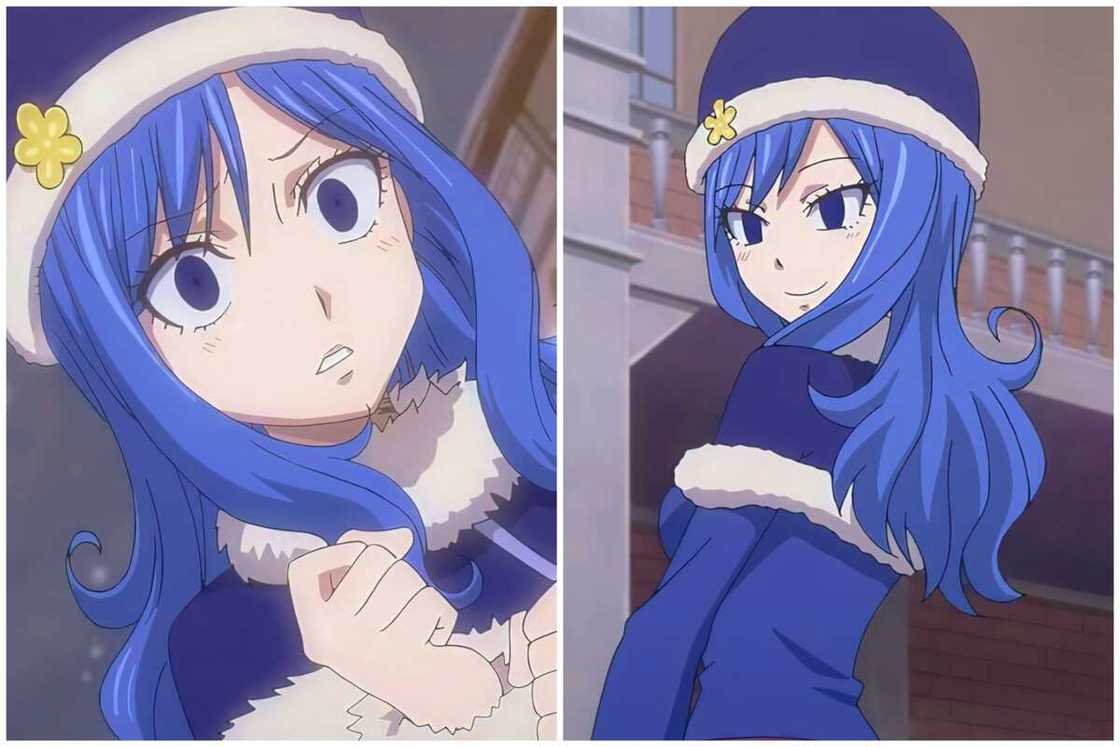
Some cartoon characters get a personality arc. Others just get a hair colour, and somehow that’s enough. Pink, blue and blonde have become shorthand in animation — you see the shade before you learn the name, and the shade tells you exactly who you’re dealing with. It’s lazy in the best possible way, and it works.
Here’s a look at how three hair colours ended up doing most of the character-building for some of the most recognisable faces in cartoons.
Pink hair means main character energy
Pink hair on a cartoon character is rarely an accident. It’s the colour animators reach for when a character needs to stand out without saying a word. Sakura Haruno spends most of Naruto being instantly identifiable purely because nobody else in the Leaf Village has that shade. Amy Rose does the same job in the Sonic universe — pink hedgehog quills that make her impossible to miss in a cast built almost entirely around blue.
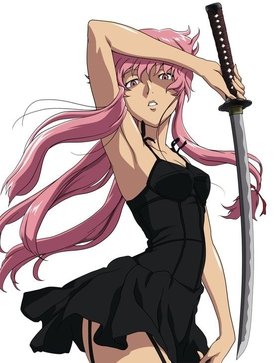
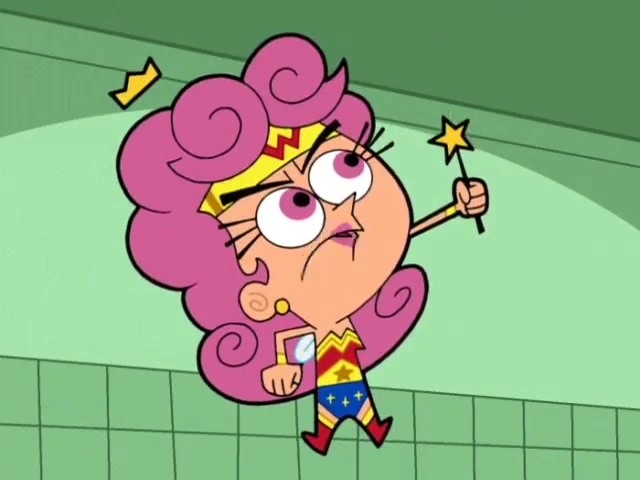
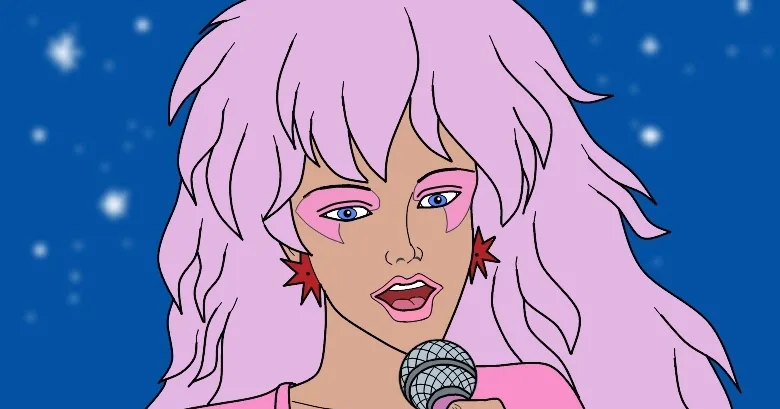
Then there’s Princess Bubblegum, whose entire aesthetic in Adventure Time is built around candy-coded colour, and Anya Forger from Spy x Family, whose pink hair somehow makes her look even more chaotic than she already is.
Pink hair rarely signals a villain. It signals someone the story wants you rooting for from the first frame.
That said, pink hair isn’t purely a hero’s colour. It works because it’s flexible — soft enough for comic relief, sharp enough for a fighter. Harley Quinn’s pink-tipped pigtails prove that point on their own; the colour reads as playful right up until it doesn’t.
Blue hair is the calm, brainy signal
If pink says “look at me,” blue hair usually says “I’ve already worked it out.” Bulma from Dragon Ball is the clearest example — the resident genius surrounded by characters who solve problems by punching them. Sailor Mercury does almost identical work in the Sailor Moon cast, playing the strategist among fighters defined by louder colours.
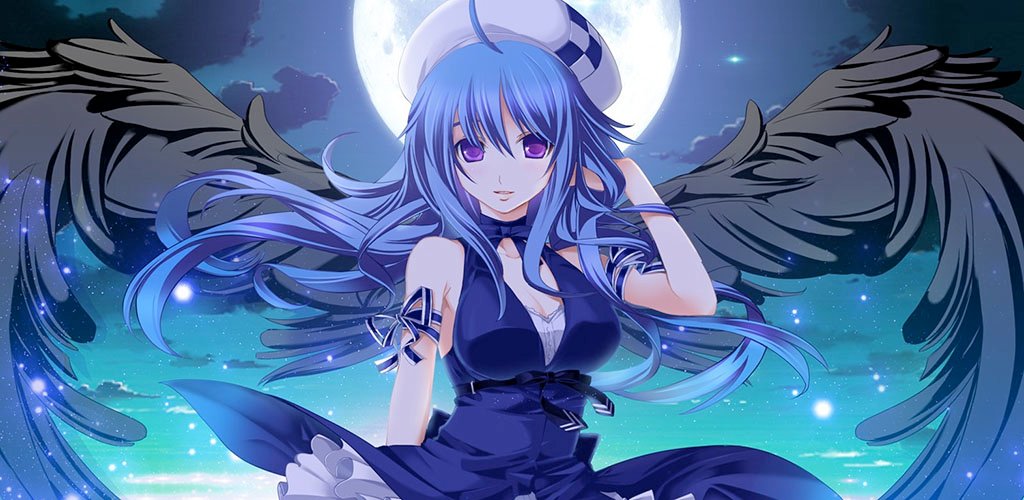
Blue hair isn’t only for the logical types, though. Marge Simpson’s towering blue beehive is one of the most recognisable silhouettes in television history, and it has nothing to do with intelligence and everything to do with instant recognisability. Decades on, that shape alone is enough to identify the show.
It’s a reminder that hair colour in animation is as much about branding as it is about character traits.
Steven Universe leaned into this too, giving several of its Gem characters cool blue tones to signal calm, otherworldly personalities before a single line of dialogue gives it away. The colour does the introduction for the writers.
Understanding why these choices land so consistently comes down to the psychology behind character design, where colour is treated as a shortcut to personality long before backstory gets a chance to explain anything.
Blonde hair still carries the most weight
Blonde is the trickiest of the three because it covers so much ground. Naruto Uzumaki’s spiky blonde hair marks him out as the underdog from episode one, while Goku’s transformation into a Super Saiyan turns blonde hair into a literal power-up — arguably the most famous hair-colour-change in animation history.
Elsewhere, blonde hair does a completely different job. Elsa’s icy blonde plait in Frozen ties directly into her powers and her isolation, while Sailor Moon’s twin odango buns make her silhouette recognisable from a single glance, long before the transformation sequence even starts.
What ties all three colours together is how little explanation they actually need. A pink-haired character reads as approachable, a blue-haired one reads as composed, and a blonde one reads as either the hero or the one with the biggest transformation still to come. None of that is written down anywhere — it’s just absorbed, one cartoon at a time.
For more breakdowns like this one, head over to our celebrity and pop culture coverage, where we’re constantly digging into the details fans actually care about.